What You Should Know About High Cholesterol and Heart Health
What Is High Cholesterol?
Cholesterol is a natural substance your body both produces and absorbs from food. Your liver generates all the cholesterol your body actually needs, and it plays important roles in building cell membranes, producing hormones, and helping your body process certain vitamins. The problem arises not with cholesterol itself, but with having too much of certain kinds in your blood.
High cholesterol, often called hypercholesterolemia, means that the levels of certain cholesterol particles in your bloodstream have exceeded a healthy range. When this happens, excess cholesterol can begin to deposit in the walls of your arteries, gradually forming a buildup that restricts blood flow and significantly increases the risk of heart attack and stroke.
What makes high cholesterol especially important to understand is that it produces no symptoms whatsoever. There is no pain, no visible sign, and no physical feeling that something is wrong. The only way to know your cholesterol levels is through a blood test. This is why regular screening is so important, and why it is entirely possible to have high cholesterol for years without knowing it.
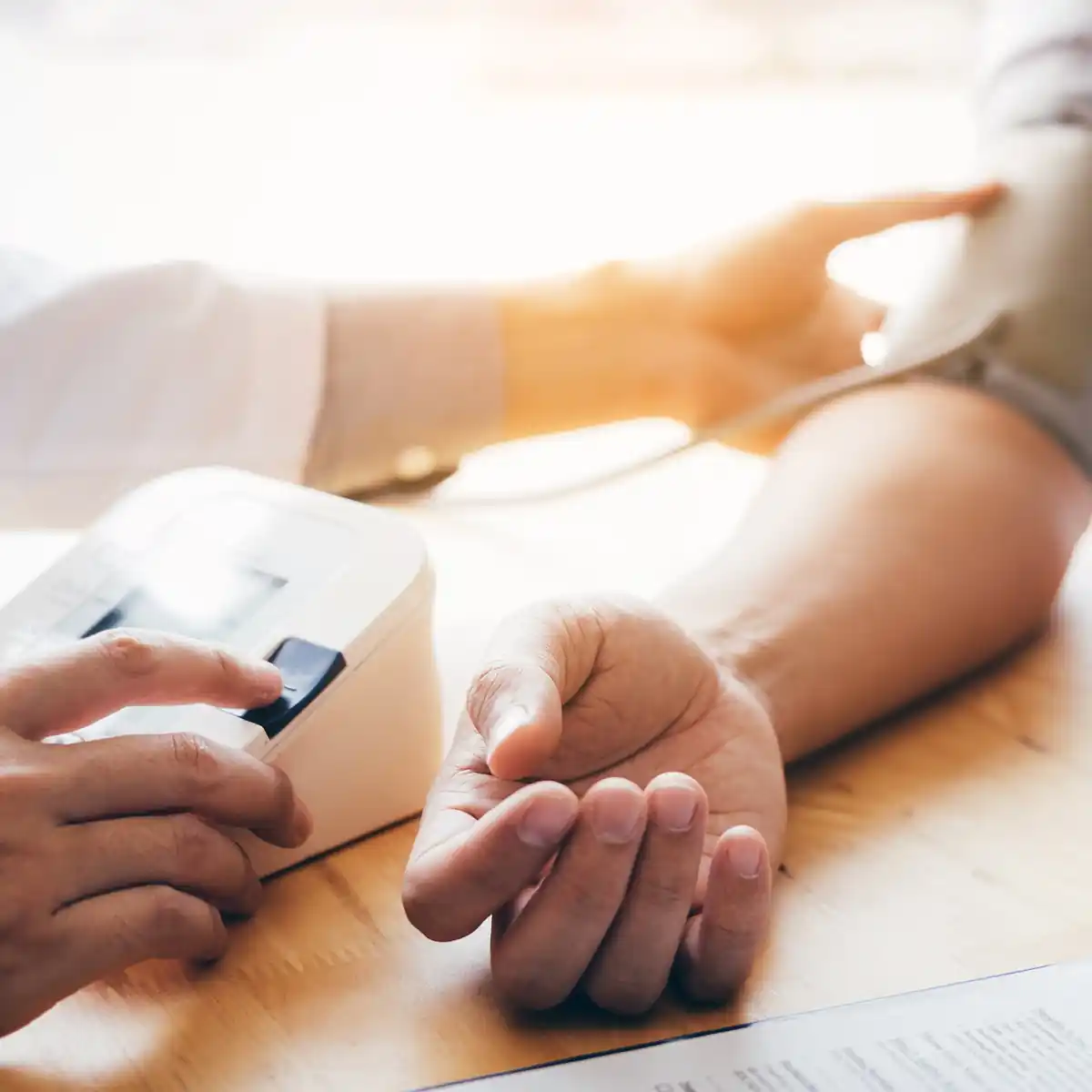
High Cholesterol Treatment at the Medical Associates of Brownsville


Frequently Asked Questions
What Is Cholesterol and Why Does Your Body Need It?
Cholesterol is a waxy, fat-like substance that travels through the bloodstream as part of larger molecules called lipoproteins. The word "cholesterol" often carries negative associations, but the reality is more nuanced. Your body genuinely needs cholesterol to function. It is a building block of every cell membrane in your body, and it is used to manufacture important hormones like estrogen and testosterone. It also plays a role in producing vitamin D and bile acids, which help with digestion.
The liver produces all the cholesterol the body needs for these purposes. However, cholesterol is also present in many animal-based foods, and consuming large amounts of certain types of fat prompts the liver to produce even more cholesterol than the body requires.
When there is more cholesterol circulating in the blood than the body can use effectively, the excess can cause problems. Over time, it may begin to accumulate inside artery walls, contributing to a buildup of plaque that slowly narrows and hardens the arteries.
Understanding that cholesterol itself is not the enemy but that balance and proportion matter helps frame why getting your cholesterol checked and knowing your numbers is so valuable.
What Are the Different Types of Cholesterol?
When a healthcare provider checks your cholesterol, the results typically include several different measurements. Each one tells a different part of the story.
LDL cholesterol is often referred to as "bad" cholesterol because high levels are associated with plaque buildup in the arteries. LDL carries cholesterol from the liver to the cells and tissues throughout the body. When there is more LDL than the body needs, it tends to deposit in artery walls. Lower LDL levels are generally associated with lower cardiovascular risk.
HDL cholesterol is often called "good" cholesterol because it works in the opposite direction. HDL carries excess cholesterol from the blood and artery walls back to the liver for processing and removal. Higher HDL levels are generally associated with a lower risk of heart disease.
Triglycerides are a type of fat found in the blood that comes from calories your body stores for energy. High triglyceride levels, especially when combined with high LDL or low HDL, can increase cardiovascular risk.
Total cholesterol is a combined measure of all cholesterol types in the blood. While it provides a general snapshot, providers typically look at the individual components to get a fuller picture of your cardiovascular risk.
Your provider will consider all of these numbers together, along with other health information, to assess your overall cardiovascular risk and determine whether any changes or monitoring are warranted.
What Causes High Cholesterol?
High cholesterol develops from a combination of factors, some of which you can influence and some of which you cannot.
- Diet plays a significant role. Diets high in saturated fat, found in red meat, butter, full-fat dairy, and tropical oils like coconut and palm oil, can raise LDL cholesterol levels. Trans fats, found in some processed and fried foods, are particularly harmful to cholesterol balance.
- Physical inactivity is another contributing factor. Regular exercise helps raise HDL cholesterol and supports the liver in processing LDL more efficiently.
- Excess body weight tends to raise LDL and triglyceride levels while lowering HDL.
- Genetics play a powerful role as well. Familial hypercholesterolemia is an inherited condition in which the body cannot clear LDL from the blood effectively, resulting in very high cholesterol levels regardless of diet or lifestyle. Even without this specific condition, having a family history of high cholesterol increases your own risk.
- Age also matters. Cholesterol levels tend to rise as people get older, and the relationship between hormones and cholesterol means that levels can shift significantly during menopause.
- Certain health conditions, including type 2 diabetes, hypothyroidism, and kidney disease, can also affect cholesterol levels. Some medications have cholesterol-related effects as well.
Are There Any Symptoms of High Cholesterol?
High cholesterol is entirely silent. There are no symptoms in the early stages, and in most cases, no symptoms ever develop directly from elevated cholesterol itself. This is one of the most important facts to understand about the condition, because it means many people go undiagnosed for years.
The consequences of high cholesterol, including heart attack and stroke, may eventually produce dramatic symptoms. But by the time those events occur, the underlying arterial damage has often been building for a long time.
One exception is a rare condition called familial hypercholesterolemia, in which cholesterol can sometimes accumulate in visible deposits called xanthomas, which appear as yellowish bumps near the eyes, tendons, or skin. However, the vast majority of people with high cholesterol have no visible signs at all.
Because the condition is asymptomatic, regular blood testing is the only reliable way to detect it. Adults should discuss with their healthcare provider how often they should be tested, based on their age, health history, and risk factors.
What Health Problems Can High Cholesterol Lead To?
The greatest concern with high cholesterol is what it does to the arteries over time. When excess LDL cholesterol circulates in the blood, it can penetrate the inner walls of arteries and trigger an inflammatory response. The body attempts to repair this damage, but in doing so, it creates deposits of cholesterol, calcium, and other substances known as plaque.
As plaque accumulates, arteries become narrower and less flexible, a process called atherosclerosis. This reduces blood flow and raises blood pressure. The consequences can be severe.
If plaque builds up in the coronary arteries, which supply blood to the heart, the reduced flow can cause chest pain during exertion. If a plaque deposit ruptures, it can trigger a blood clot that completely blocks the artery, causing a heart attack.
Similarly, if plaque narrows the arteries leading to the brain or a clot forms and blocks blood flow, a stroke can result.
High cholesterol can also contribute to peripheral artery disease, in which reduced blood flow affects the legs and feet, causing pain and increasing the risk of serious complications.
These risks underscore why managing cholesterol is such a meaningful investment in long-term health.
Who Should Get Their Cholesterol Tested?
Because high cholesterol produces no symptoms, screening is the primary way to identify it. Most guidelines recommend that adults begin getting their cholesterol checked in their twenties, with follow-up testing at regular intervals depending on results and risk factors.
Adults who have risk factors for heart disease, a family history of high cholesterol, diabetes, obesity, or other cardiovascular risk factors should be tested more regularly than those with no known risks.
Children and adolescents with a family history of premature heart disease or familial hypercholesterolemia may also be recommended for earlier testing.
Pregnant women and those going through menopause may experience shifts in cholesterol levels and benefit from testing during those transitions.
The test used to measure cholesterol is called a lipid panel or lipid profile. It requires a blood draw, and in some cases, your provider may ask you to fast for several hours beforehand for the most accurate results. The test is simple, widely available, and one of the most useful preventive screenings available.
What Lifestyle Habits Support Better Cholesterol Levels?
There is strong evidence that daily habits have a meaningful effect on cholesterol. Making consistent changes in several areas of life can help move LDL down and HDL up.
- Dietary choices are among the most impactful. Replacing saturated fats with healthier unsaturated fats, found in foods like olive oil, avocados, nuts, and fatty fish, helps reduce LDL. Eating more soluble fiber, found in oats, beans, lentils, fruits, and vegetables, also supports healthy cholesterol levels by reducing the amount of cholesterol absorbed from food.
- Regular physical activity, particularly aerobic exercise like brisk walking, swimming, or cycling, raises HDL levels and supports the liver in processing LDL more effectively. Even moderate amounts of consistent activity make a difference.
- Avoiding tobacco helps protect the function of HDL cholesterol, which is impaired by smoking.
- Maintaining a healthy weight can lower triglycerides and LDL while supporting higher HDL.
- Limiting alcohol is also relevant, as excessive alcohol intake is linked to elevated triglyceride levels.
These changes are most effective when sustained over time. Even modest improvements in lifestyle can have a meaningful impact on cholesterol numbers and overall cardiovascular health.
When Should You Talk to a Doctor About Your Cholesterol?
If you are an adult who has not had a cholesterol check in the past few years, making an appointment for a lipid panel is a reasonable and important step. This is especially true if you have any known risk factors, including family history, excess weight, a sedentary lifestyle, tobacco use, or a personal history of diabetes or high blood pressure.
If you have already been diagnosed with high cholesterol and have been working on lifestyle changes, your provider can help you track your progress and determine whether additional steps are appropriate. Regular follow-up testing is part of effective management.
If you experience any symptoms of heart disease, including chest pain, shortness of breath, or pain in the legs during walking, seek care promptly. These may be signs that cardiovascular disease related to long-term high cholesterol is developing.
Early detection and consistent management are the most powerful tools available for reducing the long-term risks associated with high cholesterol.